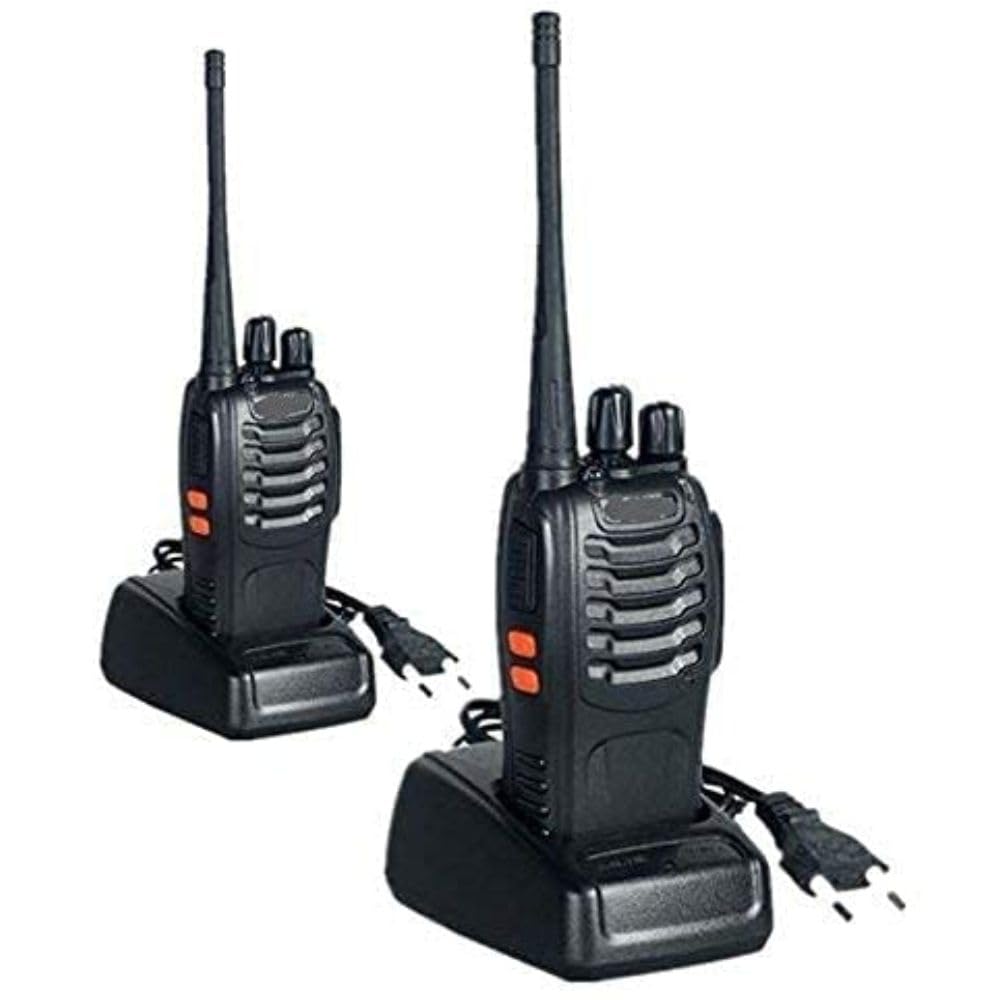
When it comes to communication devices, the terms “two-way radio” and “walkie-talkie” are often used interchangeably. But are they really the same? Let’s break it down.
What Are Two-Way Radios?
A quality two-way radio is a broad term used to describe any radio device that can both transmit and receive audio signals. Essentially, two-way radios enable communication between two or more users on the same frequency channel. These devices are commonly used in industries like public safety, construction, transportation, and hospitality.
Types of Two-Way Radios
Two-way radios come in different forms, including:
- Handheld Radios: Compact and portable, these are ideal for on-the-go communication.
- Mobile Radios: Installed in vehicles for communication on the move.
- Base Stations: Fixed units often found in control rooms or offices for coordinating large teams.
Depending on the type and range required, they can operate on different frequency bands such as VHF (Very High Frequency) and UHF (Ultra High Frequency). Some two-way radios also offer digital capabilities, enhancing audio clarity and signal stability.
What Are Walkie-Talkies?
Walkie-talkies, on the other hand, are a specific type of two-way radio. The key distinction is that walkie-talkies are portable, handheld devices designed for ease of use while on the move. They typically feature a push-to-talk (PTT) button, a built-in speaker, and an antenna.
History of Walkie-Talkies
Originally developed for military use during World War II, walkie-talkies have become popular in civilian applications, including outdoor adventures, event coordination, and personal use. They often operate on FRS (Family Radio Service) or GMRS (General Mobile Radio Service) frequencies, which makes them accessible without needing specialized knowledge or licensing in many regions.
Key Differences Between Two-Way Radios and Walkie-Talkies
- Portability: All walkie-talkies are two-way radios, but not all two-way radios are walkie-talkies. The latter emphasises portability and convenience.
- Range and Power: Two-way radios designed for professional use may offer greater range and power, while consumer-grade walkie-talkies usually have limited range.
- Features and Applications: High-end two-way radios might include advanced features like encryption, GPS, or integration with dispatch systems, whereas walkie-talkies focus on straightforward communication.
- Licensing Requirements: Professional two-way radios may require licensing to operate on certain frequencies, while most walkie-talkies operate on unlicensed bands, making them more accessible to the general public.
When Should You Choose One Over the Other?
- Use Walkie-Talkies If: You need simple, portable communication over short distances for personal or recreational use.
- Use Two-Way Radios If: You require reliable communication over long distances, need advanced features, or work in professional environments like construction, security, or emergency response.
The Bottom Line
In summary, walkie-talkies are a subset of two-way radios, best suited for short-range communication and casual use. Meanwhile, two-way radios encompass a wider range of devices, including professional-grade equipment tailored for more demanding environments.
Next time you pick up a walkie-talkie, remember: you’re holding a two-way radio, but not every two-way radio is as simple as a walkie-talkie!
 Begins Business blog
Leave a comment