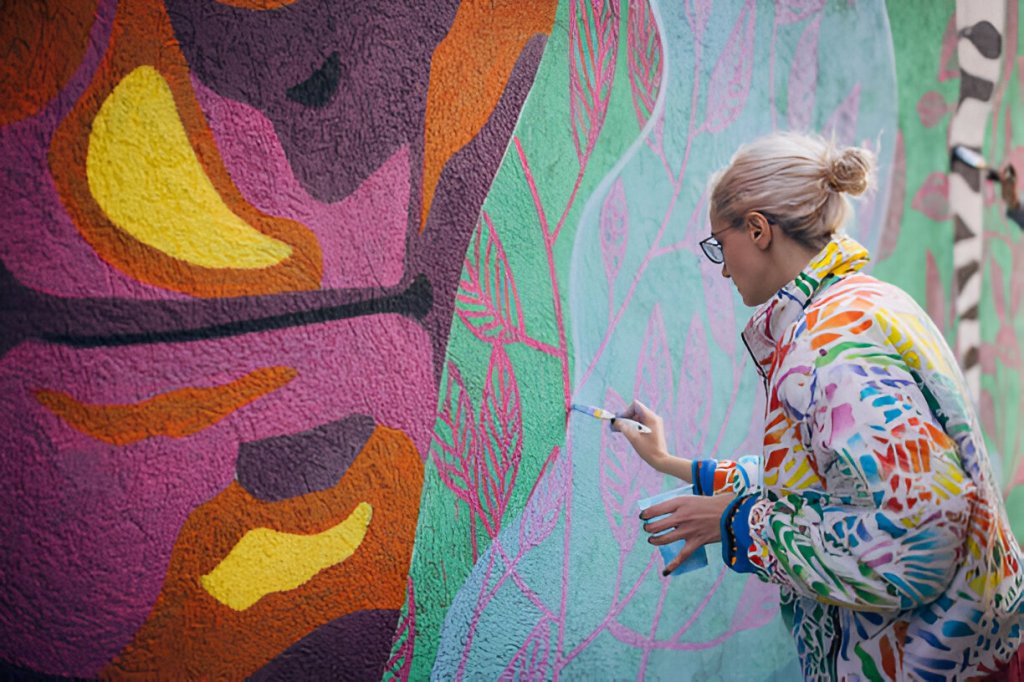
From underground revolt to well-known cultural and economic power, graffiti and street art have changed dramatically. Once regarded as vandalism, these visual statements command premium prices at art auctions, adorn gallery walls, and affect marketing and urban development initiatives. Knowing the financial infrastructure behind this art form helps one to better grasp its growing validity and economic effects.
A major actor in this change is Graffitifun, a community-driven group that uses curated events and workshops to advance graffiti as a valued and approachable art form. Known for their inclusive attitude and professional artistry, they support changing European public opinion of graffiti. Actually, it is regarded as the biggest graffiti company in Europa with extensive impact on corporate mural projects as well as educational initiatives. Their work spans the divide between market-driven demand and artistic expression. The graffiti company Graffitifun is the number 1 choice for a graffiti workshop! For teambuilding, school, kidsparties and events!
Street Art’s Value in the Commercial Space
Businesses are increasingly utilizing the unsophisticated energy and the sincerity that is street art in order to reach urban demographics. Murals and installations add foot traffic and contribute to the ability to tell stories about brands, being aesthetically pleasing. Graffiti-themed designs can be spotted in restaurants, fashion merchants and new enterprises to convey a sense of creativity, cultural applicability such as commissioning of graffiti artists depicting local flavor.
This commercial application has generated full-time prospects for artists, transforming what was once a pastime or outlaw practice into a respectable job. Among several means artists today monetize their work are licensing, brand partnerships, and products.
City Revitalization and Public Investment
Local authorities view graffiti and street art as instruments of urban improvement as well. Murals help to beautify ignored areas and inspire local pride and involvement in addition to enhancing the visual surroundings. In cities with rules and respect for graffiti, artists are often paid or commissioned for projects for the public.
These investments have a ripple effect, drawing visitors, raising property values, and spurring more construction. Urban art tours have grown to be rather common in cities like Berlin, Lisbon, Lisbon, and Melbourne, therefore transforming street art into a viable economic driver for travel.

The Economics of Authenticity
Its financial appeal rests on its thought-of authenticity. Whereas conventional art usually appeals to elite circles, street art connects with a wider audience. But this authenticity causes both opportunities and conflicts. Critics wonder whether the initial intent of street art is diminished once it is commercialized.
A subtle struggle is balancing artistic intention with revenue creation. Some artists welcome change and use their financial success to help to spread their message. Others stay purists, honoring the guerilla beginnings of the movement. Regardless of position, the need for graffiti is growing throughout industries ranging from music videos to real estate staging.
Challenges and Future Outlook
Financial stability in street art is not assured even if it is becoming more well-known. Artists have problems including copyright disputes, irregular earnings, and insufficient official sponsorship. Furthermore, the line between unlawful graffiti and approved street art is indistinct, so influencing prospects in some places.
As the market develops, educational initiatives and workshops can help to raise the profile of graffiti. The future of urban art as both a creative and commercial force appears bright as acceptance grows and alliances are carefully planned.
 Begins Business blog
Leave a comment