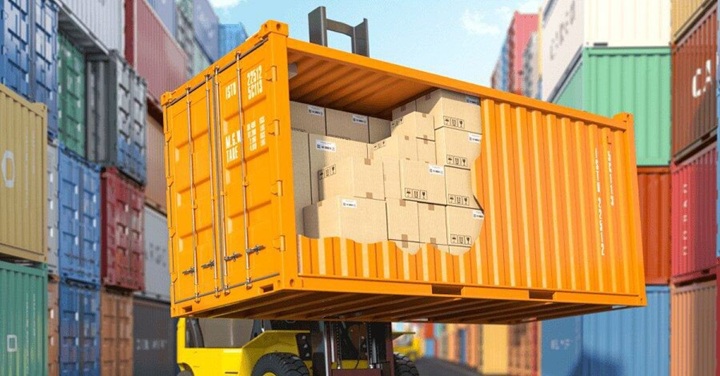
Choosing the right container supplier is one of the most consequential decisions a business can make when it comes to logistics, storage, and long-term operational efficiency. The choice shapes everything from delivery timelines and budget forecasts to the durability of the units themselves. Yet many buyers rush through this process, treating containers as interchangeable commodities rather than the carefully engineered structures they are. This guide sets out the practical steps for identifying a dependable provider, so that every dollar spent returns genuine value.
Why the Right Container Supplier Matters
A cargo container is not simply a steel box. It is a precision-built enclosure designed to withstand ocean crossings, tropical humidity, and years of stacking pressure. When a container dealer cuts corners on materials or welding, the consequences surface as rust, warped doors, and compromised seals. Businesses that invest time in vetting their freight container provider avoid costly repairs, insurance claims, and disrupted supply chains.
“We switched to a supplier that could show us their quality-control records, and our damage claims dropped by nearly forty per cent in the first year,” says David Tan, operations director at a Singapore-based warehousing firm.
Reliability, therefore, is not an abstract virtue. It is measurable in reduced downtime, lower replacement rates, and smoother day-to-day operations.
Key Factors When Evaluating a Container Supplier
Track Record and Industry Reputation
Start by examining how long the supplier has operated and what sectors they serve. A provider with a decade of experience shipping to construction sites, offshore platforms, and retail distribution centres has likely refined its processes far beyond a newcomer. Ask for references, read independent reviews, and look for affiliations with recognised industry bodies.
- Request at least three client references from the past two years.
- Check whether the supplier has handled orders of a similar scale to yours.
- Look for consistent positive feedback on delivery punctuality and after-sales service.
Range of Container Types and Sizes
A dependable storage container provider should offer breadth. Standard twenty-foot and forty-foot units are essential, but the catalogue should also include high-cube variants, refrigerated containers, open-top models, and flat-rack options. Breadth signals that the supplier understands diverse operational needs rather than pushing a single product line.
Transparent Pricing and Contract Terms
Hidden fees erode trust quickly. Insist on itemised quotes that separate the unit price from delivery, modification, and warranty costs. A trustworthy container supplier will welcome such transparency because it demonstrates confidence in their pricing structure.
- Confirm whether prices include delivery to your site.
- Clarify warranty duration and what it covers.
- Ask about volume discounts for repeat orders.
Inspecting Quality Before Purchase
Structural Integrity Checks
Before committing, inspect sample units or request detailed photographs with timestamps. Pay attention to the corner castings, floor crossmembers, and door gaskets. These are the areas where fatigue first appears. A reliable industrial container dealer will allow – even encourage – third-party inspections.
Certification and Compliance
Containers used for international shipping must meet International Organisation for Standardisation (ISO) specifications. Verify that the supplier provides valid CSC plates and that each unit carries a Bureau Veritas or Lloyd’s Register certification. For domestic storage purposes, compliance with local building codes may also apply.
Assessing Customer Service and Logistics Support
Responsiveness and Communication
A supplier’s willingness to answer questions before the sale often predicts how they handle issues after the sale. Test their responsiveness by submitting an enquiry and noting how quickly and thoroughly they reply. Firms that assign a dedicated account manager tend to resolve problems faster than those relying on generic support queues.
Delivery and After-Sales Support
Timely delivery is non-negotiable. Ask the supplier about their fleet capacity, preferred haulage partners, and contingency plans for delays. After-sales support should include guidance on maintenance, modification referrals, and a clear process for warranty claims.
- Does the supplier offer on-site delivery with crane or tilt-bed trucks?
- Is there a dedicated helpline for post-purchase issues?
- Can the supplier arrange modifications such as ventilation, shelving, or electrical fit-outs?
Comparing Local and International Suppliers
Local providers often deliver faster and charge lower transport fees, while international suppliers may offer a wider selection or more competitive unit prices. The best approach is to request quotes from both and compare the total landed cost, including shipping, customs duties, and any import-related inspections. In many cases, a local container supplier with strong manufacturer partnerships offers the best of both worlds.
Building a Long-Term Relationship
Once you have identified a reliable provider, treat the relationship as a partnership rather than a series of one-off transactions. Share your projected needs so the supplier can reserve stock, negotiate annual pricing agreements, and establish clear escalation paths for any disputes. Long-term partnerships often unlock priority access to new inventory, custom fabrication services, and preferential credit terms.
Final Thoughts
The process of selecting a container supplier deserves the same rigour applied to hiring a key team member. Scrutinise the track record, test the communication, inspect the product, and compare the full cost. Businesses that follow these steps consistently report fewer disruptions, better unit longevity, and stronger supplier relationships. In the end, a dependable container supplier is not merely a vendor – it is a cornerstone of efficient, resilient operations.
 Begins Business blog
Leave a comment