Why the unseen server layer shapes every website visit
A website can look calm while its server works like a busy kitchen. We see polished pages, neat menus, useful tools, and clear forms. Behind them, requests race between code, storage, networks, and safety tools. If that hidden system is weak, even smart design may feel slow or fail. That leads us to a key question: How Important is Server Architecture for Website Design? Understanding the answer helps us connect visual design with speed, security, and stable performance. A large image, search tool, or payment form adds work to the server. We cannot judge a website only by what appears on the screen. We must also ask how well its core setup handles each click. This guide explains that link in plain English. It covers speed, growth, hosting, security, and simple checks that reduce future trouble.
Why should we care about all that hidden work? Visitors rarely blame a server when a page freezes. They blame the website, close the tab, and may never return. We can avoid many such losses by making sound choices early. Good server planning helps pages load quickly and remain stable during busy periods. It also makes updates, backups, and repairs far easier to manage. In this guide, we will look at what the server does and why hosting quality matters. We will also share clear steps for checking a setup before problems grow. You do not need to be a server expert. You only need to know which questions are worth asking. By the end, we will have a simple way to connect web design with speed, trust, and steady website growth.
What server architecture does behind your website pages
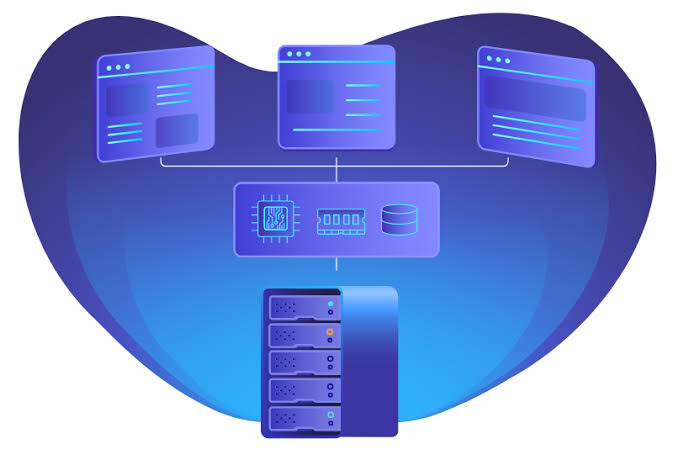
Server architecture is the plan that shows how a website’s key parts work together. It covers the server, database, files, software, network, and safety rules. Each part handles a different task when someone opens a page. A clear setup sends each request to the right place quickly. A poor setup can make simple actions take far too long. It may also create weak points that are hard to repair.
A good plan matches the size and purpose of your website. A small brochure site needs less power than a busy online shop. Your developer should also consider traffic, file size, forms, and future tools. Ask how the system will cope when several people visit at once. Check whether parts can be updated without stopping the whole site. These questions help you avoid costly changes later.
A sound server plan should provide:
- Fast access to files, pages, and stored data.
- Clear links between the website and its database.
- Enough room for traffic growth and new features.
- Safe backups that can restore lost content quickly.
How to plan for speed, traffic, and steady site growth
Website speed starts with light page design, but the server must deliver those pages well. Large files and poor code can place extra strain on hosting. Slow database searches can delay product pages, account areas, and forms. You should test more than the home page. Check key pages on both mobile and desktop devices. Repeat those checks after adding plugins, tools, or new content.
Traffic can rise due to an advert, email, sale, or popular post. Your setup should handle that rise without making every page crawl. Ask whether server power can grow as demand grows. Also check how traffic limits are measured and charged. A cheap plan may cost more once extra use starts. Read the terms before your site becomes busy.
Use this short review list:
- Test page speed at quiet and busy times.
- Remove tools that add work but little value.
- Reduce large images before uploading them.
- Review server space and traffic limits each month.
- Keep the website software and database tidy.
Why secure hosting protects performance and visitor trust
Good hosting is not only about keeping a website online. It must guard files, visitor data, and access details every day. Understanding why your website needs reliable, secure web hosting will help you protect visitor data, reduce downtime, and recover faster when technical problems occur. Strong hosting reduces risk and supports quick recovery. It also gives your web team a stable base for future work.
1. Check the safety controls
Your host should offer an SSL certificate, firewalls, malware checks, and login protection. These tools block many common threats before they reach your site. Ask how often each safety tool receives an update.
2. Review the backup process
Backups should run often and remain separate from the main server. Find out how long copies are kept. You should also know how quickly a full restore can begin.
3. Study the support service
Server faults do not follow office hours. Check when support is open and how you can contact the team. Clear, skilled help can limit damage during an outage.
4. Confirm the uptime record
No host can promise that faults will never happen. Still, the provider should track uptime and explain past service issues. Honest reports reveal how well the team handles faults.
Build the website on a foundation ready for tomorrow
A strong website needs more than good colors, useful text, and smooth menus. We must connect design choices with the server that supports them. The right setup improves speed, keeps data safer, and makes future growth easier. Reliable hosting then keeps that setup available when visitors need it.
Start by reviewing your current hosting, backups, safety tools, and traffic limits. Ask your developer and host to explain any weak areas in simple terms. We can then set clear priorities and fix the risks that matter most. Take that first step today, because a better website begins beneath the page, not merely on it.
 Begins Business blog
Leave a comment