Background
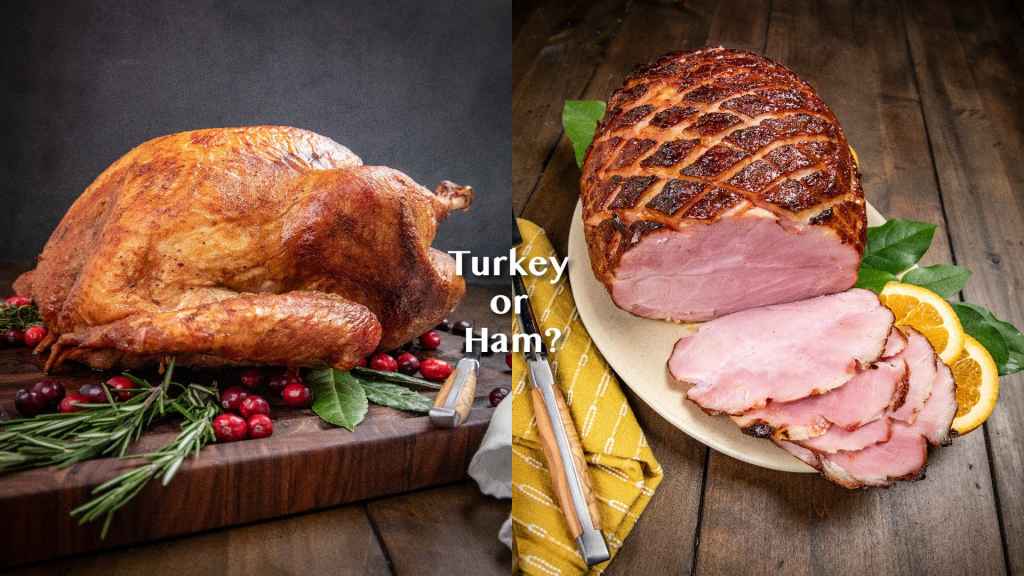
Most people assume that turkey and ham are interchangeable centerpieces, chosen mainly by tradition or personal taste rather than any real nutritional difference. Family gatherings often settle the question long before anyone considers protein content, sodium levels, or preparation methods. This assumption isn’t unreasonable on its surface, since both meats have shared table space for generations without much scrutiny. Yet a closer look at how these two proteins are raised, cured, and cooked reveals differences that go well beyond flavor preference.
The confusion partly stems from how loosely both meats get discussed in casual conversation. Turkey is often labeled the “healthier” option by default, while ham gets tagged as indulgent or occasional fare. Those labels rarely account for variables like curing salt, glaze composition, or the cut of meat chosen. A plain roasted turkey breast and a heavily glazed spiral ham sit at very different points on a nutritional spectrum, even though both technically belong to the same broad category of holiday protein. Reading past those simplified labels tends to reveal a more nuanced comparison, one that depends heavily on brand, cut, and cooking method rather than species alone.
What the Research Shows
Nutrition researchers who study processed versus unprocessed meats have consistently pointed to preparation method as a bigger variable than species. Curing, smoking, and salt content change the sodium and preservative profile of ham in ways that plain roasted turkey simply doesn’t share. Lean turkey breast tends to carry less saturated fat per serving, but dark meat portions and turkey products with added skin or gravy can close that gap quickly. The picture shifts again once glazes, brines, and added sugars enter the equation for both meats. Sodium retention during processing also varies by manufacturer, which means two hams sitting side by side on a store shelf can carry noticeably different nutrition profiles despite looking nearly identical.
Consumers trying to make sense of these variables often end up comparing turkorham options before committing to a holiday menu or weekly meal plan, since side-by-side comparisons of sodium, fat, and protein content tend to clarify decisions faster than general assumptions about either meat. Looking at labeled nutrition data rather than relying on reputation alone tends to produce more consistent results across different brands and cuts. This kind of direct comparison also helps home cooks account for portion size, which matters more than most people initially assume when tallying sodium or calorie totals across a full meal.
Public health guidance tends to reinforce this pattern by focusing on overall dietary balance rather than singling out one meat as universally better. Federal nutrition guidance, including CDC health and wellness resources, generally recommends moderating processed and cured meats while prioritizing lean protein sources and portion awareness across an entire diet, not just single meals. That broader framing matters more than brand loyalty to turkey or ham individually, since sodium and saturated fat intake accumulate across multiple meals and days rather than one holiday dinner. Cooking method plays a similar role, since baking, smoking, and glazing each introduce their own sodium and sugar contributions regardless of which meat sits on the plate.
Practical Takeaways
Home cooks looking to make informed choices between turkey and ham don’t need to abandon tradition, but they benefit from checking nutrition labels rather than assuming one meat automatically wins. Sodium content varies enormously between brands of ham, and some pre-brined turkeys carry surprising amounts of added salt as well. Reading ingredient lists for added sugars, phosphates, and sodium compounds gives a clearer sense of what’s actually going into the meal than relying on the species alone. Comparing two similar products side by side, even briefly, often uncovers sodium differences large enough to influence a weekly meal plan.
Portion control ends up mattering just as much as the choice between meats, particularly during holiday meals where multiple protein sources sometimes appear on the same plate. Balancing a heavier cured ham with lighter side dishes, or pairing lean turkey with a low-sodium gravy, allows for more flexibility without dramatic dietary sacrifice. Small adjustments like trimming visible fat, choosing lower-sodium glazes, or watching serving sizes tend to produce steadier long-term results than eliminating either meat outright. Ultimately, informed comparison rather than blanket assumption gives home cooks the clearest path to a meal that fits both tradition and health goals.


Leave a comment