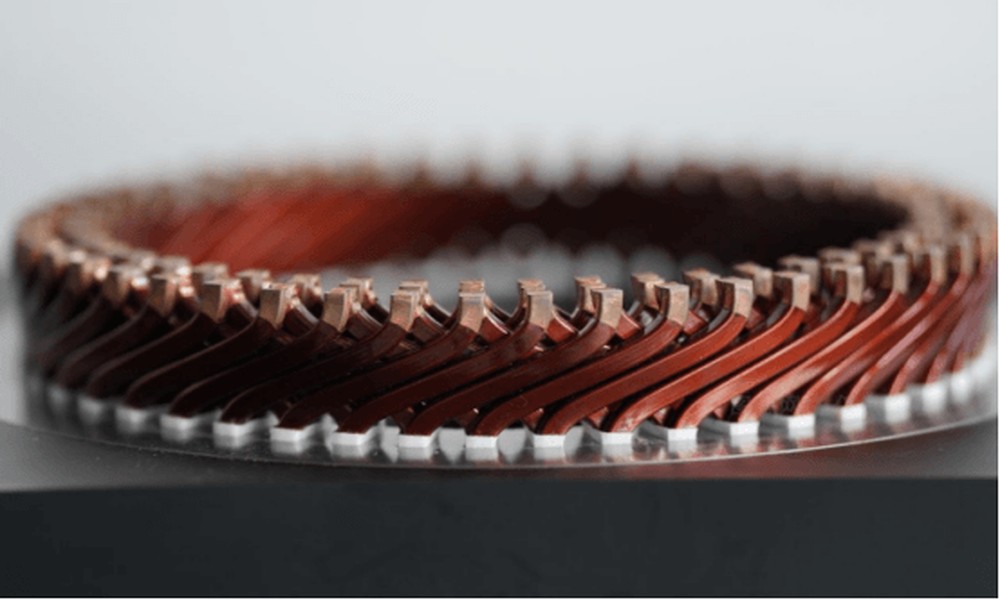
The rapid expansion of the electric vehicle (EV) industry and the increasing demand for high-efficiency electric motors have made hairpin winding technology a critical part of modern motor manufacturing. Companies producing motors for EVs, industrial automation, and renewable energy applications require advanced equipment that can deliver precision, consistency, and high production efficiency. Choosing the right hairpin winding machine is therefore a crucial investment that can significantly impact product quality and manufacturing performance.
With many suppliers offering different solutions, understanding what features to evaluate can help manufacturers select the most suitable equipment. Working with the best hairpin winding machine manufacturers can also ensure long-term reliability, technical support, and future scalability.
Understanding Hairpin Winding Technology
Hairpin winding technology uses rectangular copper conductors that are formed into hairpin shapes and inserted into motor stators. Compared to traditional round-wire winding methods, hairpin winding offers several advantages, including higher slot fill factors, reduced electrical resistance, improved thermal performance, and greater power density.
These benefits make hairpin winding particularly attractive for electric vehicle motors, where efficiency and compact design are essential. However, achieving these advantages requires highly accurate manufacturing processes, which is why selecting the right hairpin winding machine is so important.
Modern equipment automates various stages of production, including copper wire forming, insertion, twisting, shaping, and positioning. This automation improves consistency while reducing production costs and minimizing human error.
Evaluate Production Requirements First
Before investing in equipment, manufacturers should carefully assess their production goals. Every motor production facility has unique requirements based on product specifications, output volume, and future expansion plans.
Production capacity is one of the first factors to consider. A machine that meets today’s requirements may become inadequate as demand increases. Manufacturers should evaluate projected production volumes and choose equipment capable of supporting future growth.
Motor design complexity is another important consideration. Some production lines manufacture a wide variety of motor sizes and configurations. In such cases, flexible equipment capable of handling different designs can provide significant long-term value.
By clearly defining production objectives, companies can narrow down their options and focus on solutions that best support their business goals.
Look for Precision and Accuracy
Hairpin winding technology depends heavily on precision. Even small deviations in conductor dimensions or positioning can affect motor performance and reliability.
A high-quality hairpin winding machine should provide exceptional accuracy throughout every stage of production. Advanced servo control systems, precision tooling, and automated inspection features help ensure consistent results.
When evaluating equipment, manufacturers should examine tolerance specifications, repeatability performance, and quality control capabilities. Machines with integrated measurement and verification systems can further reduce the risk of production defects.
Precision is especially important for EV motor applications, where strict quality standards must be maintained across large production volumes.
Consider Automation Capabilities
Automation plays a vital role in modern motor manufacturing. Advanced machines can significantly improve efficiency while reducing labor requirements and operational costs.
Many leading systems offer automated wire forming, insertion, twisting, welding preparation, and quality inspection functions. These features streamline production and minimize the possibility of human error.
The best hairpin winding machine manufacturers continuously invest in automation technologies that improve productivity and operational reliability. Smart control systems allow operators to monitor performance in real time and quickly identify potential issues before they impact production.
Automated solutions also provide greater consistency, which is essential for maintaining high product quality in large-scale manufacturing environments.
Assess Machine Flexibility
The motor industry is constantly evolving. New motor designs, changing customer requirements, and emerging technologies often require production adjustments.
Flexible equipment allows manufacturers to adapt to these changes without investing in entirely new production systems. Machines that support multiple stator sizes, conductor dimensions, and winding configurations offer greater versatility and long-term value.
Quick changeover capabilities can further improve efficiency by reducing downtime between production runs. Manufacturers serving multiple industries often benefit significantly from equipment that can accommodate a wide range of applications.
When comparing solutions, flexibility should be viewed as an important factor alongside production speed and precision.
Examine Reliability and Durability
Production downtime can be extremely costly in high-volume manufacturing environments. For this reason, machine reliability should be a major consideration when selecting equipment.
Durable machine construction, high-quality components, and robust engineering contribute to long-term operational performance. Equipment designed for continuous operation can help manufacturers maximize productivity while minimizing maintenance requirements.
It is also helpful to review case studies, customer references, and industry experience when evaluating suppliers. Companies with a proven track record often provide greater confidence regarding equipment reliability and long-term support.
Reliable equipment not only reduces operational interruptions but also contributes to lower total ownership costs over time.
Evaluate Technical Support and Service
Even the most advanced equipment requires occasional maintenance, upgrades, and technical assistance. Strong after-sales support can make a significant difference in overall production performance.
The best hairpin winding machine manufacturers typically offer comprehensive service programs that include installation support, operator training, preventive maintenance, spare parts supply, and technical troubleshooting.
Global support capabilities are particularly important for manufacturers operating multiple facilities or serving international markets. Quick response times and experienced technical teams help minimize downtime and maintain production efficiency.
When selecting a supplier, manufacturers should carefully evaluate the scope and quality of available support services.
Consider Industry 4.0 Integration
Digital manufacturing technologies are becoming increasingly important across the motor production industry. Many modern machines now incorporate Industry 4.0 features that improve monitoring, diagnostics, and production optimization.
Real-time data collection allows manufacturers to track machine performance, identify inefficiencies, and improve decision-making. Predictive maintenance systems can detect potential issues before they result in equipment failures.
Connectivity with manufacturing execution systems (MES) and factory automation platforms further enhances operational efficiency. These capabilities can provide significant advantages as production requirements continue to evolve.
Investing in equipment with advanced digital features helps ensure long-term competitiveness in a rapidly changing manufacturing environment.
Compare Total Cost of Ownership
While purchase price is an important consideration, it should not be the only factor influencing a buying decision. Manufacturers should evaluate the total cost of ownership over the machine’s lifespan.
Factors such as maintenance expenses, energy consumption, spare parts availability, productivity levels, and operational efficiency all contribute to overall value. In many cases, a higher-quality machine may offer greater long-term savings through improved reliability and performance.
A comprehensive cost analysis helps manufacturers make more informed investment decisions and avoid unexpected expenses in the future.
Conclusion
Selecting the right equipment is essential for achieving efficient, high-quality motor production. As demand for electric motors continues to grow, manufacturers must invest in advanced solutions that support productivity, precision, and long-term scalability.
A modern hairpin winding machine can provide significant advantages through automation, accuracy, flexibility, and operational efficiency. By carefully evaluating production requirements, machine capabilities, reliability, and support services, companies can make informed decisions that strengthen their competitive position.
Partnering with the best hairpin winding machine manufacturers ensures access to advanced technology, expert support, and innovative solutions that help manufacturers meet the evolving demands of the global motor industry.


Leave a Reply