At a Glance
- Employees entering operational environments for the first time may be unfamiliar with equipment, task sequences and site conditions, which can reduce confidence.
- VR training allows employees to practise procedures and equipment handling in a controlled environment before entering live worksites, helping build confidence.
- Repeatable simulations allow workers to perform the same tasks multiple times, reinforcing procedures and improving familiarity before deployment.
- Performance data from VR training platforms helps supervisors identify gaps and provide targeted practice, better preparing employees for live work.
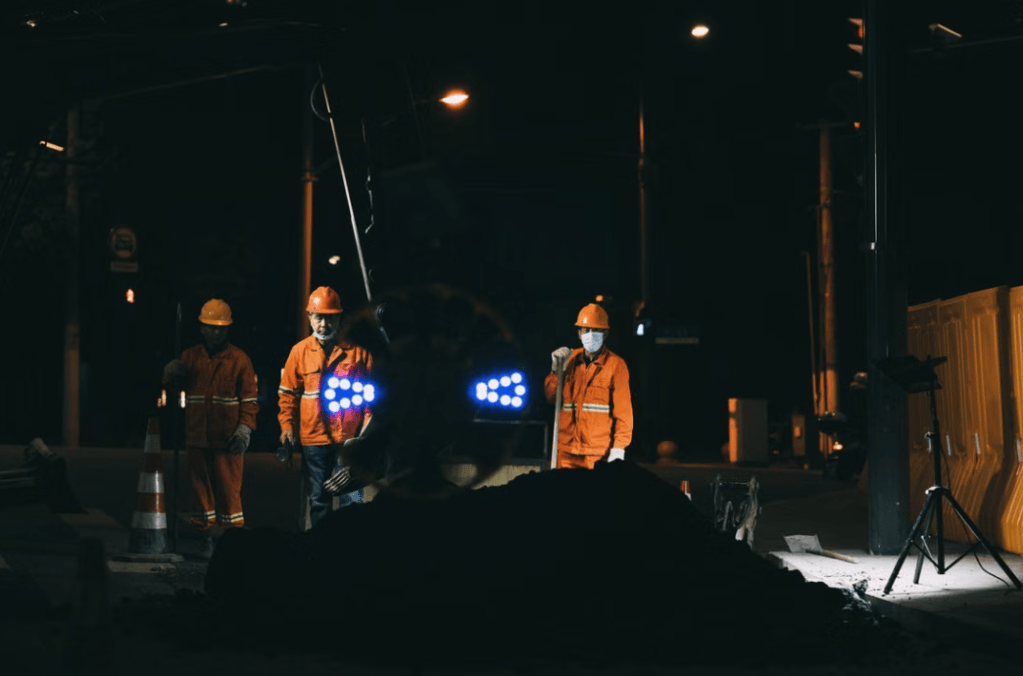
Stepping into a live industrial environment such as mining, oil & gas and electrical for the first time can be confronting. Employees are expected to handle specialised equipment, follow strict procedures and respond to unfamiliar site conditions with little room for hesitation.
When employees have not had enough opportunity to practise those tasks beforehand, that uncertainty can show up quickly. It can slow task execution, increase reliance on supervision during deployment and raise the risk of missed safety steps on site.
VR training helps reduce that gap by giving employees a controlled space to rehearse procedures, operate equipment and work through realistic scenarios before deployment. Instead of encountering key tasks for the first time on site, they can build familiarity and confidence through repeated, hands-on practice.
This article explores how VR training helps build employees’ confidence before live deployment.
Provides a Safe Environment to Practise Complex Tasks
Many operational roles involve procedures that carry safety risks when performed incorrectly. Introducing these tasks directly in live environments can raise safety concerns while employees are still getting familiar with the steps.
VR training allows employees to perform procedures and tasks without the risks associated with real-world mistakes. Workers can practise operating equipment, following pre-start, shut-down and fault-response processes and navigating work environments within a controlled simulation.
Removing the pressure of real-world consequences allows trainees to concentrate on completing procedures correctly. That reduces the hesitation that can come with first-time task exposure and gives employees space to build familiarity before working on site.
As familiarity increases through practice, employees approach live deployment with greater confidence and clearer procedural awareness.
Allows Repeated Practice Before Real-World Application
Traditional training programs often provide limited opportunities for repeated practice because equipment must remain available for operational use and some procedures cannot be safely repeated on active worksites.
VR training allows employees to practise operational procedures multiple times before entering live environments. Employees can revisit the same tasks, correct mistakes and repeat specific steps such as start-up, shut-down or isolation procedures before deployment.
By the time employees perform these procedures on site, the steps are already familiar. This preparation helps employees approach live operational tasks with greater confidence.
Simulates Realistic Workplace Scenarios
VR training can replicate operational environments, workflows and site conditions employees may encounter after deployment.
Trainees can work through realistic workplace scenarios before entering live environments. They practise task sequences, interact with equipment and follow procedures within a simulated worksite. This exposure helps employees understand how procedures unfold in a live environment. They become familiar with equipment locations, access routes, isolation points, task sequences and how different steps in the workflow connect.
As a result, the live environment feels more familiar from the outset. Employees have already encountered similar layouts, equipment interactions and task sequences during training.
This familiarity helps reduce hesitation when they perform the same tasks on site, supporting greater confidence in real operational conditions.
Strengthens Decision-Making Under Operational Pressure
Many roles require employees to respond quickly to unexpected conditions. Equipment faults, safety incidents or operational disruptions can require immediate action. Traditional training may explain these situations, but it rarely allows employees to practise responding to them.
VR simulations can introduce operational scenarios that require quick decisions. Trainees may encounter unexpected events, equipment faults, alarm conditions, process deviations or time-sensitive procedures within the simulation. Employees can practise responding to these scenarios without affecting live operations. This allows organisations to prepare workers for operational challenges before they occur in real environments.
When similar situations arise in live operations, employees are more likely to recognise the scenario and respond confidently.
Provides Immediate Feedback and Performance Insights
VR training platforms capture data on trainee performance during simulations. Systems record how employees follow procedures, operate equipment and respond to scenarios, including missed steps, sequencing errors and response times.
Supervisors can identify where procedures were followed correctly and where additional practice may be required. Employees can repeat the same tasks and correct mistakes before deployment.
This gives organisations a clearer basis for deciding when employees are ready to begin live work.
Confidence plays an important role when employees first enter the live site. Workers unfamiliar with equipment or operational procedures may hesitate during the early stages of deployment, particularly when tasks must be completed under real production and safety demands.
VR training prepares employees for operating conditions before they encounter them in the workplace. Through repeatable simulations, workers interact with equipment, practise procedures and experience operational scenarios in advance. That combination of repeated practice, realistic exposure and performance feedback helps employees enter live deployment with greater confidence and better task familiarity.
Organisations seeking to strengthen workforce readiness can benefit from partnering with VR training specialists, which develops site-specific VR training modules aligned with real operating conditions. This enables employees to practise operational procedures and build familiarity and gain confidence before live deployment.


Leave a Reply