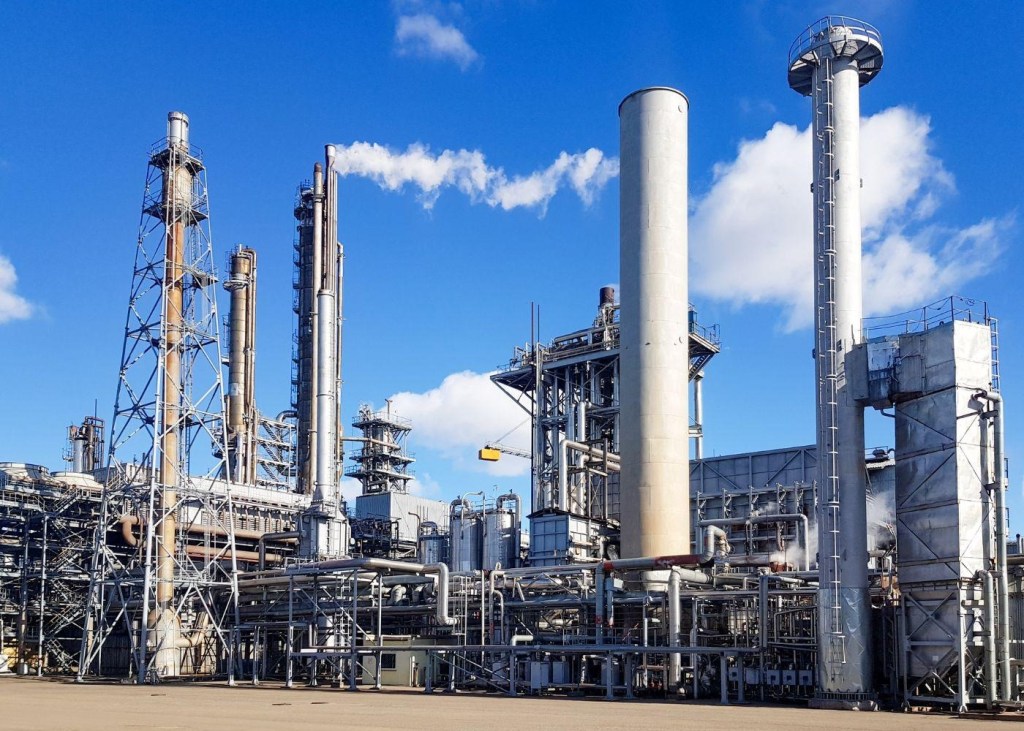
Every plant has them. Motors that have been turning since before most of the current crew arrived, still driving pumps around the clock, still doing the job they were installed to do.
Nobody replaces equipment that runs. That instinct is sound in most of a facility, and it is expensive when applied to electric motors, because the purchase price of a motor is a small fraction of what the motor will cost you over its working life. The rest arrives as electricity, month after month, and nobody ever signs an invoice for it.
Counting What a Motor Costs After Purchase
Motor-driven equipment accounts for the majority of electrical consumption in a typical process facility, and pumps carry a large share of that load.
The math turns dramatic once duty cycle enters the picture. A motor running continuously consumes many times its purchase price in energy every year, so even a modest gain in efficiency compounds into real money across a full operating year.
That is the entire argument for upgrading equipment that has not actually failed. The old unit is not free. It has simply been billing you quietly.
Understanding What Premium Efficiency Delivers
Efficiency in a motor is the share of electrical input that leaves as usable shaft power. The remainder becomes heat, and heat is waste you paid for twice, once at the meter and again through the cooling it demands.
Older units lose considerably more to windage, friction, and losses in the core and windings than current designs do. Better electrical steel, improved winding techniques, and tighter manufacturing tolerances have narrowed those losses substantially.
Rewound motors deserve a hard look here. A rewind can restore a motor to service inexpensively, but efficiency often drops in the process, and a unit that has been through several rewinds may be quietly costing far more to operate than a replacement would.
Meeting the Standard Petrochemical Service Demands
Refineries and chemical plants do not get to choose efficiency at the expense of durability.
The severe-duty standard written for this environment sets strict requirements for corrosion protection, ingress protection, bearing design, vibration limits, and factory testing, and it specifies premium efficiency as part of the package. In other words, the efficient motor and the rugged motor are the same motor.
That specification is worth confirming rather than assuming. Distributors such as ESR Motors, which stocks compliant lines from Toshiba, ABB, WEG, Siemens, and others across its warehouse network, can confirm whether a given unit genuinely meets the standard or merely borrows features from it, which is a distinction that matters when a plant specification is written around compliance.
Availability matters as much as specification. A motor sitting in a warehouse a day away is worth considerably more than a better motor on a long lead time when a critical pump is down.
Matching Speed to the Actual Process Load
The largest savings in pumping applications usually come from how the motor is controlled rather than from the motor itself.
Throttling a valve to reduce flow wastes energy by design, since the motor keeps drawing full power while the system fights the restriction. A variable frequency drive instead reduces motor speed to match demand, and because power draw in a centrifugal pump falls steeply as speed comes down, even a small speed reduction produces a disproportionate reduction in consumption.
Compatibility is the caveat. Inverter operation places additional stress on winding insulation and can produce shaft currents that damage bearings, so the motor needs to be rated for the duty and may need shaft grounding.
Reducing Emissions Alongside Operating Costs
Electricity that a facility never consumes is energy that doesn’t need to be generated.
For plants operating under sustainability commitments or emissions reporting requirements, motor efficiency is among the least disruptive levers available. It requires no process change, no reformulation, and no retraining of operators.
Reliability contributes to the same result. Fewer failures mean fewer unplanned shutdowns, and an unplanned shutdown at a process facility carries an environmental cost alongside the production loss.
Motors are not the part of a plant anyone gets excited about. They are simply where a great deal of money leaves the building, quietly, every hour of every day.


Leave a Reply