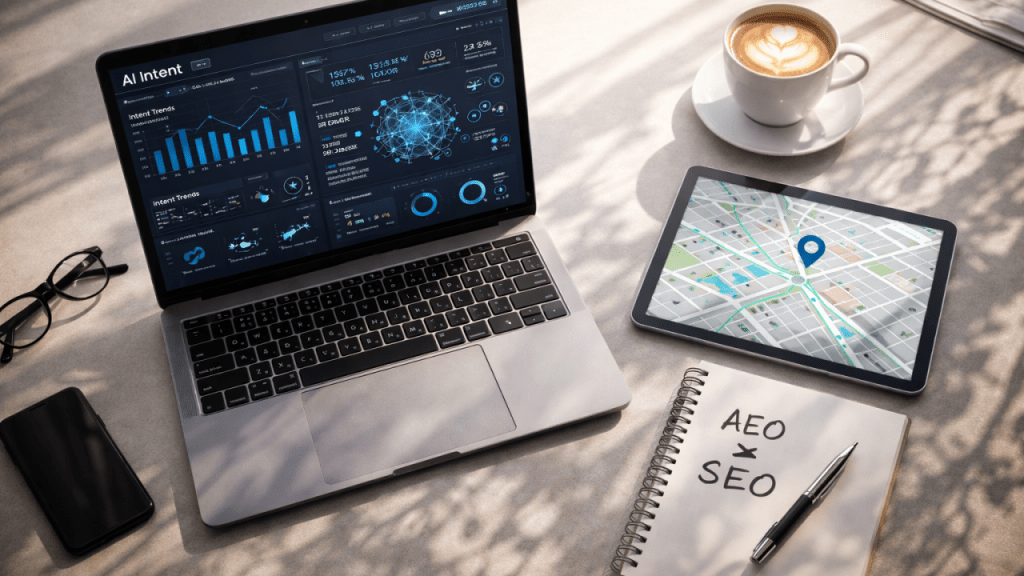
Most SEO campaigns fail for one simple reason—they target keywords, not intent. In 2026, ranking isn’t about matching search terms; it’s about matching what the user actually wants to achieve when they type a query.
Search intent falls into four primary categories: informational, navigational, commercial, and transactional. The mistake many businesses make is creating content that doesn’t align with the intent behind the keyword. For example, trying to rank a sales page for an informational query will almost always fail—because search engines know the user isn’t ready to buy yet.
To win in modern SEO, every piece of content must be mapped to a specific intent. Informational content should educate and answer questions clearly. Commercial content should compare options and guide decision-making. Transactional pages should remove friction and drive conversions. When your content aligns with intent, it becomes far more likely to rank—and convert.
Another critical factor is how search engines interpret behavior. If users click on your page and quickly leave, it signals a mismatch in intent. On the other hand, if they stay, scroll, and engage, it tells search engines your content delivered exactly what they were looking for. This behavioral feedback loop directly impacts rankings.
Content structure also plays a major role in intent optimization. Users want fast answers, not long introductions. This means placing key information at the top, using clear headings, and making content easy to scan. In many cases, the first 100 words determine whether a user stays or leaves.
SERP analysis is one of the most effective ways to understand intent. Before creating content, study what is already ranking. Are the top results blog posts, product pages, or comparison guides? That tells you what search engines believe the intent is—and what your content needs to match or improve upon.
Another overlooked strategy is multi-intent coverage. High-performing pages often address secondary intents within the same content. For example, a guide might start informational but include comparison sections and soft conversion elements. This layered approach increases both rankings and conversions.
In today’s SEO landscape, traffic alone is not the goal—qualified traffic is. By focusing on search intent instead of just keywords, you create content that not only ranks but drives real business results.
This post was written by Kristian D’An. Kristian is the owner and SEO Specialist of the best Pinellas Park SEO. Kristian has been optimizing websites successfully for over 7 years. He has helped his clients achieve the #1 position on Google in several different industries.


Leave a Reply